Back Pain
Back pain, including lower back pain, is pain in the back, and most of it is mechanical: a strained muscle, an irritated disc or stiff joints rather than serious damage. Physical therapy works by finding which positions and movements load your spine badly and teaching it to move well again. We treat low back pain at our Edgemere and Physicians clinics in El Paso, Texas.
What is usually behind low back pain
A pulled muscle, a bulging disc and a stiff joint can feel alike on day one. They are not treated alike.
Muscle strain and back spasms
One awkward lift or twist can strain the muscles along the spine. People often say they pulled a muscle in my back, and the muscles around the strain then tighten into back spasms to guard it.
Herniated disc and bulging disc
A disc is the cushion between two spinal bones. A herniated disc or a bulging disc can irritate a nearby nerve and cause pain, numbness or tingling that may travel into the leg.
Degenerative disc disease
Discs thin and dry out over the years. Degenerative disc disease often shows up as a dull ache and morning stiffness, and strength and mobility work still has a lot to offer.
Spinal stenosis
A narrowed space around the spinal nerves can make standing or walking for a while uncomfortable, and leaning forward often eases it.
SI joint pain
Pain low on one side, near the base of the spine, can come from the sacroiliac joint instead of a disc. We test the joint and the hips as well as the spine.
Posture and repeated strain
Back pain from sitting builds slowly at a desk or in the car. Back pain when bending shows up when you reach for your shoes or lift a laundry basket.
New pain, long-lasting pain, and why rest is not the plan
New (acute) back pain is often short-term, and long-lasting (chronic) back pain deserves a closer look at how you move and what you do all day. In both cases, gentle movement in a comfortable range usually does more for a sore back than lying in bed.
We show you how much to do, which positions calm the pain, and how to ease back into work and home. If your pain has gone on for months, Chronic Pain explains why the nervous system can keep pain going after the tissue has settled.
What happens at your back pain evaluation
Your visit starts with your story and ends with a plan you can do at home.
We listen
When it started, what you do at work and for exercise, and what makes it better or worse.
We test how your back moves
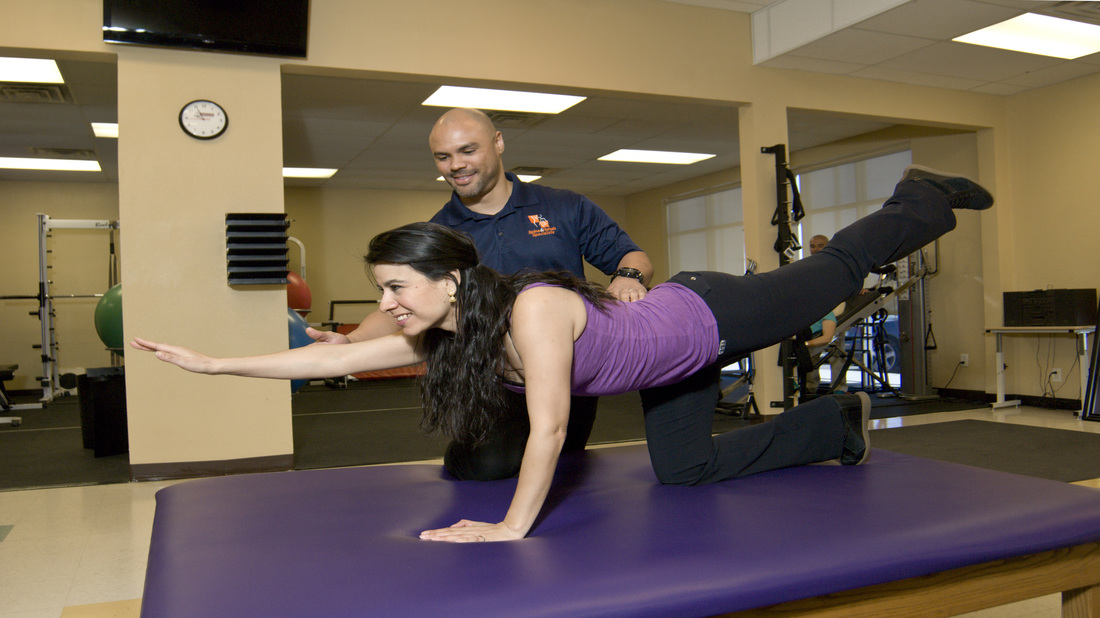
Your therapist watches you stand, bend and walk, then tries repeated movements and positions to see which ones ease the pain and which bring it on. Our MDT-certified therapists use mechanical diagnosis and therapy for this.
We check strength and the joints around the spine
Core and hip strength, hip motion and the SI joint all get a look.
We treat and teach
Treatment may include manual therapy and joint mobilization, targeted exercises, dry needling for stubborn muscle tension, neuromuscular re-education and posture correction, plus a home program.
Pain going down your leg, hips, pregnancy and work
Back pain overlaps with other problems. These are the pages to read if yours does.
Pain going down your leg
Pain, numbness or tingling that runs below the knee is covered on our Sciatica page.
Stiff or sore hips
Tight hips change how the spine moves, so we check them too. See Hip Pain.
Pregnancy and after birth
Back pain during pregnancy has its own needs. Read prenatal and postpartum care.
Arthritis and work injuries
Wear in the spinal joints is on Arthritis & Joint Pain, and strains from lifting or repetitive work are on Work Injuries & Workers' Comp.
See a doctor or go to the ER first if you have
- Loss of bladder or bowel control
- Numbness in the groin or inner thighs
- Fever along with back pain
- Back pain after a serious fall or accident
Texas allows direct access to physical therapy, so in many cases you do not need a referral to start. Call us and we can help verify your insurance requirements before your first visit. Most insurance coverage is accepted.
Back pain questions
Is low back pain the same as a herniated disc?
No. Most low back pain comes from muscles, joints or discs working poorly together. A herniated disc is one possible cause, and the evaluation tells them apart.
Do I need a referral?
In many cases no. Texas allows you to begin physical therapy without one, and we can help check what your insurance requires.
How long will treatment take?
It depends on the cause and how long you have had pain. Some people feel better quickly, and people with long-standing pain may need ongoing care. Your therapist tracks your progress and adjusts the plan.
Back pain care in El Paso, Texas
Call or request an appointment at our Edgemere or Physicians clinic and we will find the cause of your back pain with you.
We see patients at our Edgemere and Physicians clinics in El Paso, Texas.